Introduction
Joint pain, muscle weakness, and reduced mobility are affecting millions in Bangladesh from young office workers with neck stiffness to elderly individuals living with arthritis, and athletes recovering from sports injuries.
While painkillers offer temporary relief, orthopaedic physiotherapy focuses on long-term recovery by restoring mobility, rebuilding strength, and preventing recurrence without the risks of surgery or medication overuse.
This guide explores what orthopaedic physiotherapy is, the conditions it treats, the full rehabilitation process, and the treatment technologies now available in Bangladesh.
What is Orthopaedic Physiotherapy?
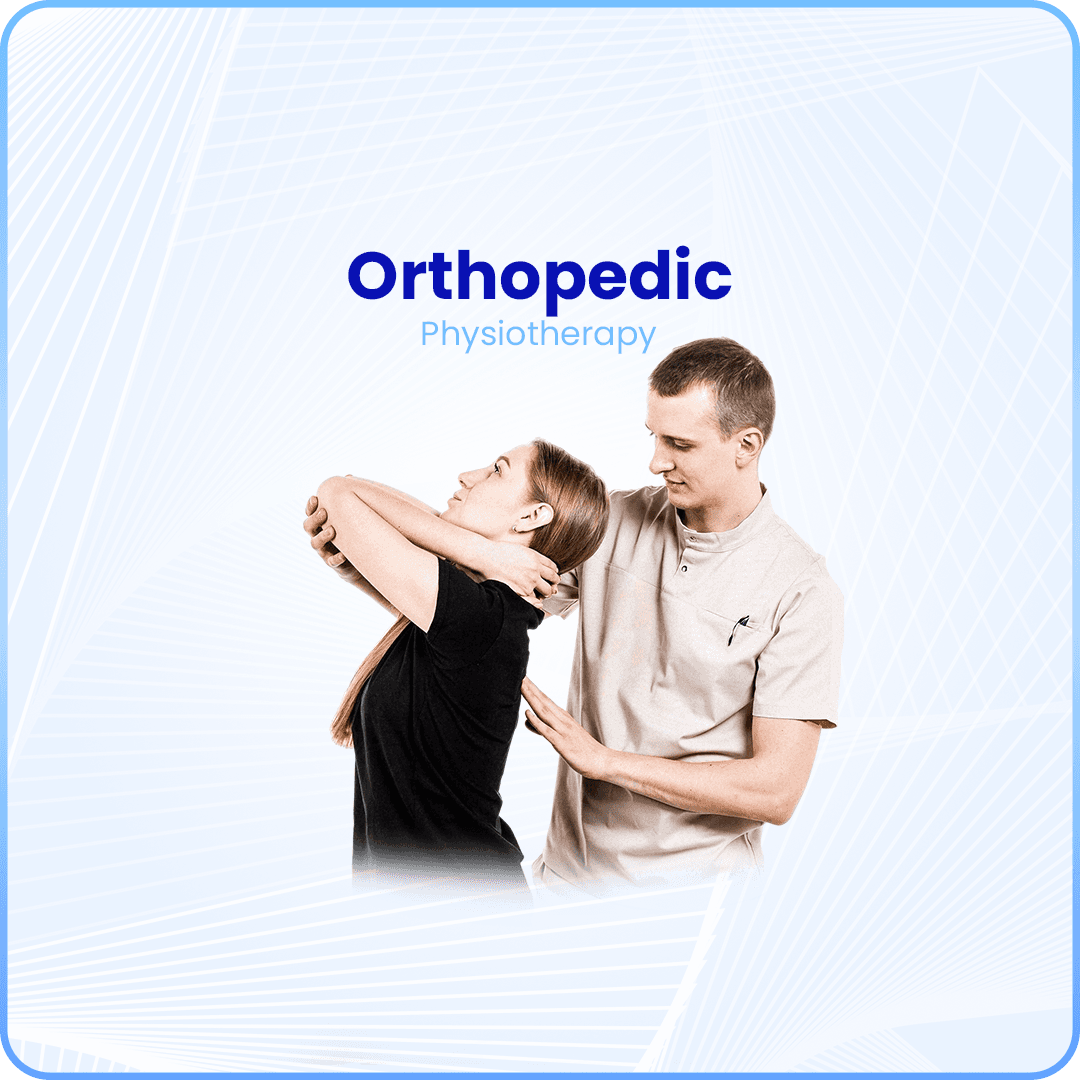
Orthopaedic physiotherapy is a specialized area of physical therapy that treats musculoskeletal disorders involving bones, joints, ligaments, tendons, muscles, and related nerves.
The goals include:
- Reducing pain & inflammation
- Restoring flexibility and mobility
- Strengthening muscles & stabilizing joints
- Correcting posture & movement patterns
- Preventing future injuries
Common Orthopaedic Conditions in Bangladesh
In Bangladesh, orthopaedic physiotherapists frequently treat:
- Arthritis (osteoarthritis, rheumatoid arthritis)
- Post-fracture stiffness and weakness
- Knee ligament injuries (ACL, MCL tears)
- Meniscus injuries
- Tendinitis & bursitis
- Frozen shoulder
- Low back pain & spondylosis
- Neck pain & cervical spondylosis
- Post-operative rehabilitation (knee/hip replacement, spine surgery)
- Sports injuries (sprains, strains, dislocations)
A 2020 study in Dhaka found that over 60% of urban adults reported some form of musculoskeletal discomfort, highlighting the growing need for physiotherapy interventions.
[Source: Bangladesh Medical Research Council]
Step-by-Step Orthopaedic Rehabilitation Process
1. Comprehensive Assessment
- Patient history (injury, lifestyle, activity level)
- Physical examination (joint range, muscle strength, flexibility, posture)
- Functional testing (gait analysis, balance assessment)
- Pain scoring & baseline documentation
2. Pain & Inflammation Management
Initial focus is on reducing discomfort using:
- Cryotherapy (ice therapy for swelling)
- Thermotherapy (heat for stiffness)
- Electrotherapy:
- TENS (Transcutaneous Electrical Nerve Stimulation)
- Interferential Therapy (IFT)
- Ultrasound therapy for deep tissue healing
- Super Inductive System (SIS) – electromagnetic stimulation for pain relief & muscle activation
3. Manual Therapy
Hands-on physiotherapy techniques:
- Joint mobilization & manipulation
- Soft tissue release & myofascial techniques
- Stretching tight muscles & ligaments
- Trigger point therapy to ease muscle knots
4. Exercise Therapy
Individualized programs that may include:
- Flexibility training (static & dynamic stretching)
- Strength training for key muscle groups (quadriceps, hamstrings, core, back stabilizers)
- Balance & proprioception exercises
- Functional movement retraining (walking, stair climbing, lifting)
5. Post-Surgical Rehabilitation
For patients after:
- Total Knee Replacement (TKR)
- Total Hip Replacement (THR)
- ACL reconstruction
- Spinal surgeries
Focus:
- Reduce swelling & scar tissue
- Regain mobility
- Strengthen supporting muscles
- Safely return to daily life
6. Posture & Ergonomic Training
- Correcting poor posture (common in desk workers)
- Educating on safe lifting & carrying
- Modifying workstations for spine health
7. Prevention & Maintenance
- Home exercise plans for continued improvement
- Sport-specific training for athletes
- Long-term joint protection strategies
Advanced Treatment Technologies in Bangladesh
Modern physiotherapy centers in Dhaka now integrate advanced tools for faster recovery:
- Super Inductive System (SIS) – electromagnetic therapy for pain relief & neuromuscular activation
- Shockwave Therapy – stimulates tissue repair in chronic tendon injuries
- Laser Therapy – reduces inflammation, speeds healing
- Electrical Muscle Stimulation (EMS) – prevents muscle wasting after immobilization
Frequently Asked Questions (FAQs)
1. Can physiotherapy cure arthritis?
It can’t reverse joint damage, but it reduces pain, improves movement, and slows disease progression. Many patients delay surgery for years with regular physiotherapy.
2. How long until I see results?
Minor injuries may improve in 2–4 weeks; chronic pain or post-surgical recovery may require 3–6 months.
3. Is the Super Inductive System safe?
Yes, non-invasive and painless under professional guidance. Not recommended for patients with pacemakers, metal implants, or active cancer.
4. Can physiotherapy help avoid surgery?
In many early-stage conditions, yes. Strengthening muscles and improving joint function can remove the need for surgery.
5. Do I need a doctor’s referral?
No, you can directly visit a physiotherapist. For post-surgical care, collaboration between doctor and therapist is ideal.
Practical Tips for Joint & Muscle Health
- Maintain a healthy weight to reduce joint stress
- Stay physically active with low-impact exercises
- Practice correct posture while sitting & standing
- Use proper lifting techniques
- Seek early treatment for any persistent pain
Conclusion
Orthopaedic physiotherapy in Bangladesh has evolved far beyond basic exercise plans- it’s now a comprehensive, technology-supported, evidence-based approach to restoring movement and relieving pain.
By combining manual therapy, structured exercise, electrotherapy, and advanced tools like the Super Inductive System, patients can recover faster, prevent recurrence, and enjoy a better quality of life.
Whether you’re an athlete, an office worker, or recovering from surgery early physiotherapy intervention is the key to long-term mobility and independence.